
What Is the Best Cake for Christening Events in Sydney?
The “best” option is rarely the most elaborate. It is the cake that looks right on the table, cuts cleanly for the crowd, and tastes great even after an hour at the function.
What type of christening cake works best for Sydney venues?
A buttercream-finished cake for christening is usually the safest all-round choice for Sydney celebrations. It holds up well across common venues such as church halls, private dining rooms, and outdoor family gatherings.
Fondant cakes can look very polished, but they are less forgiving in warmer conditions and can be heavier to eat. For many families, buttercream gives the best balance of design flexibility, comfort, and reliability.
Should they choose a single-tier or a two-tier cake?
A single-tier cake is often best for smaller gatherings or where the dessert table is limited. It is easier to transport, simpler to cut, and typically more budget-friendly.
A two-tier cake suits larger guest counts and creates a stronger centrepiece moment, especially for photos. If they want the look of height without extra servings, some bakers can add a “dummy” tier to keep costs and leftovers under control.”
Which flavours are most popular for christenings in Sydney?
Vanilla bean, chocolate, and classic lemon are the most common picks because they please mixed age groups. Many families also choose red velvet or carrot cake when they want something familiar but slightly richer.
If they expect guests with varied preferences, a two-tier cake with different flavours per tier is a practical solution. It keeps the cake interesting without taking risks on niche flavour combinations.
How should they match the cake design to the christening theme?
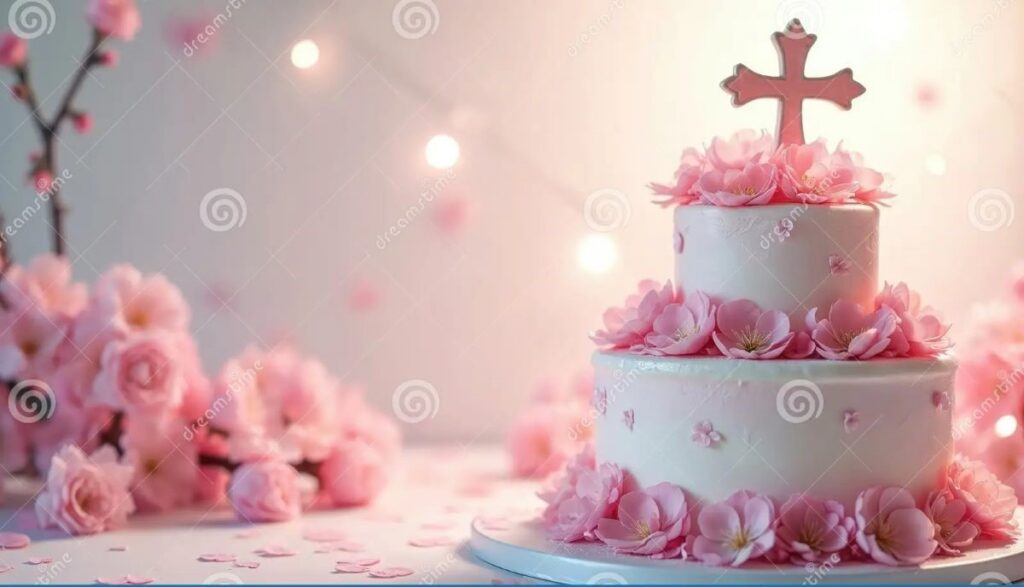
The best christening cakes usually stay soft and symbolic rather than loud or trendy. Popular design cues include white and pastel palettes, simple florals, gold accents, and small religious motifs like a cross, bible, or dove.
A name plaque and the christening date are common finishing touches because they feel personal without adding clutter. If the family wants something modern, textured buttercream, minimal line art, or subtle watercolour effects photograph beautifully.
What size cake do they need for their guest count?
They should choose cake size based on how the cake will be served, not just how many people attend. Dessert-style slices are larger, while event portions are smaller and go further.
As a rough guide, a standard event slice is about 1 inch by 2 inches. Families can ask the baker how many servings each size yields, and whether the venue expects the cake to be the main dessert or one of several options.
What works best: cake only, or cake plus cupcakes?
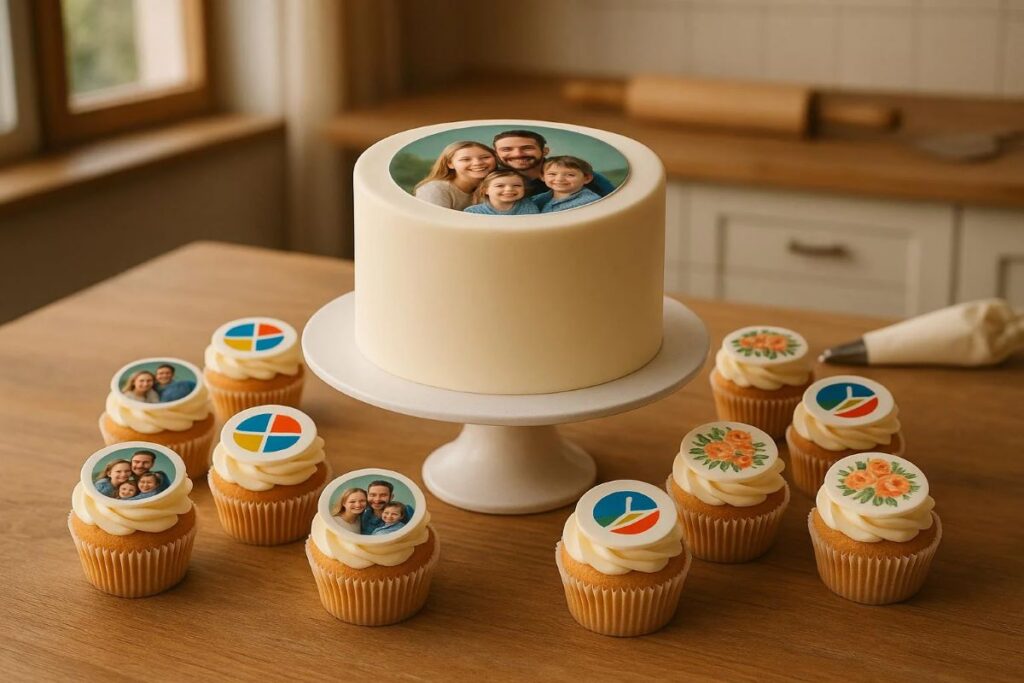
A cake plus cupcakes setup is often the easiest for busy christening events. The cake stays as the centrepiece, while cupcakes reduce cutting time and make serving faster.
This option also helps with dietary needs because gluten-free or dairy-free cupcakes can be provided separately. If they want minimal fuss, this is one of the most practical ways to keep the dessert table neat and the queue moving.
How do Sydney’s weather and transport affect cake choice?
Sydney heat and humidity can change what is “best”, especially for spring and summer events. Buttercream can soften, and fondant can sweat, particularly in outdoor locations or warm function rooms.
For daytime events, they should prioritise stable fillings and avoid highly delicate decorations. They can also ask the baker about delivery, refrigeration needs, and how long the cake can sit out while still looking clean.
Other Resources : Refrigeration and air conditioning
What dietary options should they consider for guests?
They do not need to make the entire cake allergen-friendly unless the immediate family requires it. A common approach is to keep the main cake classic, then add a small batch of dietary cupcakes or a separate mini cake.
The most requested options are nut-free, egg-free, gluten-free, and dairy-free. They should confirm cross-contamination practices with the bakery if allergies are serious.
How far in advance should they order a christening cake in Sydney?
They should ideally order 2–4 weeks ahead for a standard custom cake, and longer for peak seasons or very detailed designs. Many Sydney bakers book out early around spring weekends and public holiday periods.
If they are short on time, they can ask for a semi-custom design from a set menu. These often look beautiful, cost less, and can be turned around faster than fully bespoke work.
How can they keep the cake budget sensible without compromising quality?
They can save money by keeping shapes simple, limiting intricate sugar flowers, and choosing buttercream over heavy fondant detailing. Fresh flowers can also be cost-effective, provided they are food-safe and properly prepared.
The best value usually comes from spending on flavour and finish quality, not complex toppers. A clean design with sharp edges and a good palette can look premium without extra structural work. Click here to learn are cupcakes delivered Sydney better than picking up in store?
What is the best cake choice if they want a timeless look?
A white or ivory buttercream cake with subtle texture, light florals, and personalised writing is the most timeless christening option in Sydney. It suits both traditional and modern families and works across almost any venue.
If they want a single “safe” pick, they can choose vanilla bean with a berry filling. It is widely loved, photographs well, and feels celebratory without being too heavy.
FAQs (Frequently Asked Questions)
What type of christening cake is best suited for Sydney venues?
A buttercream-finished cake is usually the safest all-round choice for Sydney christenings. It holds up well across common venues such as church halls, private dining rooms, and outdoor family gatherings. Fondant cakes can look polished but may not fare well in warmer conditions and can be heavier to eat, making buttercream the preferred balance of design flexibility, comfort, and reliability.
Should I choose a single-tier or two-tier cake for a christening event?
A single-tier cake works best for smaller gatherings or limited dessert tables as it is easier to transport and cut, and generally more budget-friendly. A two-tier cake suits larger guest counts and creates a striking centrepiece, especially for photos. To manage costs and leftovers while maintaining height, some bakers offer a ‘dummy’ tier that looks real but isn’t edible.
Which flavours are most popular for christening cakes in Sydney?
Vanilla bean, chocolate, and classic lemon are the most common flavours as they appeal to mixed age groups. Families seeking something richer often opt for red velvet or carrot cake. For varied guest preferences, a two-tier cake with different flavours per tier is a practical way to keep the cake interesting without risking niche tastes.
How should the cake design complement the christening theme?
Christening cakes typically feature soft, symbolic designs rather than loud or trendy styles. Popular elements include white and pastel colours, simple florals, gold accents, and small religious motifs like crosses, bibles, or doves. Personal touches such as a name plaque and christening date add meaning without clutter. Modern options like textured buttercream, minimal line art, or subtle watercolour effects also photograph beautifully.
What size cake do I need based on my guest count?
Choose your cake size based on how it will be served rather than just the number of guests. Dessert-style slices are larger; event portions are smaller and stretch further. As a guide, a standard event slice measures about 1 inch by 2 inches. Consult your baker regarding servings per size and whether the cake will be the main dessert or part of several options.
Is it better to have only a cake or combine it with cupcakes at a christening?
Combining a cake with cupcakes is often ideal for busy christening events. The main cake serves as the centrepiece while cupcakes reduce cutting time and speed up serving. This approach also accommodates dietary needs more easily by offering gluten-free or dairy-free cupcakes separately. It’s a practical way to keep the dessert table tidy and queues moving efficiently.