
Are Audit Readiness Tools For Food Safety Compliance Worth Adopting?
Audit season tends to expose the same pain points across Australian food businesses: missing records, rushed corrective actions, and a scramble to prove controls are working. Audit readiness tools for food safety compliance promise to make audits calmer by keeping evidence organised, current, and easy to present.
The real question is not whether software is useful in theory. It is whether audit readiness tools for food safety compliance actually reduce risk, labour, and non conformance outcomes in day to day operations across Australia.
What are audit readiness tools for food safety compliance, in plain terms?
They are systems that help food businesses collect, store, and present evidence that food safety controls are in place and followed. In Australia, that usually means digital checklists, corrective action logs, training records, supplier approvals, and temperature monitoring evidence.
In practice, audit readiness tools for food safety compliance act like a living audit folder. They keep documentation consistent across sites and make it easier to show an auditor what happened, when it happened, and who signed off.
Why do Australian food businesses struggle with audit readiness in the first place?
They struggle because evidence is often scattered across paper, spreadsheets, inboxes, and staff phones. When a council, third party, or customer audit lands, teams lose time chasing records instead of demonstrating control.
Staff turnover and casual workforces also create gaps. Without a tight system, procedures exist on paper but proof of execution is thin, which is exactly where audit readiness tools for food safety compliance claim to help.
Which Australian standards and regulators shape what “ready” looks like?
For many businesses, the baseline is the Australia New Zealand Food Standards Code, plus state and territory enforcement through local councils and state health regulators. Exporters and larger manufacturers often need GFSI aligned schemes such as SQF, BRCGS, or FSSC 22000, along with customer requirements.
That mix creates overlapping evidence demands. Audit readiness tools for food safety compliance are most valuable when they map tasks and records to those requirements and keep versions, approvals, and completion history clear.
What problems do audit readiness tools solve most reliably?
They reliably solve document control, task scheduling, and proof of completion. When records are captured in real time, they reduce backfilling and the “it was done but not written down” problem.
They also improve traceability of actions. Good audit readiness tools for food safety compliance link a non conformance to a corrective action, assign an owner, track due dates, and keep verification evidence attached.
Do audit readiness tools reduce audit non conformances?
They can, especially for documentation based findings. If a business often fails on missing monitoring logs, outdated procedures, or incomplete training files, the right setup can lift performance quickly.
But they do not automatically prevent process failures. Audit readiness tools for food safety compliance help demonstrate control, yet they still rely on staff doing the work correctly and managers reviewing trends, exceptions, and recurring issues.
How do these tools change day to day food safety routines?
They turn food safety into a short, frequent set of digital actions rather than a weekly paper bundle. Staff complete checks on a tablet or phone, attach photos when needed, and escalate issues immediately.
Over time, audit readiness tools for food safety compliance can shift culture from “audit prep” to “audit always.” That matters most in busy Australian venues where peak periods and staffing changes create consistency risks.
What features matter most for Australian food businesses?
The essentials are simple capture, offline capability for regional sites, clear audit trails, and role based permissions. They also need easy exporting of evidence because auditors still vary in what they want to see and how they want it packaged.
Strong audit readiness tools for food safety compliance also support supplier approvals, allergen controls, equipment calibration logs, pest reports, and training matrices, since those are common pressure points across Australian audits.
What is the real ROI, beyond “being organised”?
ROI usually comes from fewer hours spent chasing records, fewer repeat findings, and less disruption during audits. Businesses often underestimate the cost of admin, rework, and production interruptions that come from poor readiness.
The best ROI case for audit readiness tools for food safety compliance appears when there are multiple sites, frequent customer audits, or complex cold chain and allergen risks. In small single site operations, ROI depends heavily on how lean the setup is.
Other Resources : Audit-Ready Aged Care Food Safety Audit Guide

When are audit readiness tools not worth adopting?
They are not worth it when leadership will not enforce usage or when the business needs basic food safety foundations first. If procedures are outdated, hazards are poorly understood, or monitoring is inconsistent, software simply captures inconsistency faster.
They are also a poor fit when teams cannot sustain device access, data entry habits, or review routines. Audit readiness tools for food safety compliance should reduce friction, not add another layer that staff work around.
How should they assess vendors and avoid shiny tool traps?
They should start with their audit history and identify the top five recurring issues, then test whether the tool prevents those gaps. A vendor demo should include real workflows, not generic dashboards.
They should also check evidence outputs. If audit readiness tools for food safety compliance cannot export a clean, auditor friendly pack for Australia based audits, the system may still leave teams scrambling at the worst time.
What should implementation look like in a multi site Australian operation?
It should start with standardisation. A head office template should define check frequencies, critical limits, escalation rules, and review responsibilities, then each site should adapt only what is necessary.
A staged rollout works best. They can pilot one site, refine forms, then scale. The point of audit readiness tools for food safety compliance is consistency, so they should avoid letting every site build its own version of “the system.”
How do these tools help with allergen management and labelling controls?
They help by enforcing routine checks that are often missed when teams are busy. Digital sign offs can cover label verification, recipe change approvals, and cleaning validation for allergen changeovers.
They also keep evidence together. If an allergen incident is investigated, audit readiness tools for food safety compliance can show what checks were done, who completed them, and what corrective actions followed, which is valuable in Australian retail and hospitality settings.
Can they improve traceability and recall readiness in Australia?
They can, if they include batch recording, supplier linking, and fast document retrieval. In a recall or withdrawal, speed matters, and scattered records cost time.
However, true recall readiness still needs mock recalls and clear decision paths. Audit readiness tools for food safety compliance support that by storing mock recall results, contact lists, and verification evidence in one place.
What security and privacy concerns should Australian businesses consider?
They should consider data residency, access control, and audit trail integrity. While food safety records are not always “sensitive” in the same way as health data, supplier contracts, customer specs, and incident reports can be commercially sensitive.
They should also clarify who owns the data and how exports work if they leave the vendor. Any audit readiness tools for food safety compliance should make it easy to retrieve full records without friction.
How should they measure success after adoption?
They should measure completion rates, exception response times, and repeat non conformances. A practical metric is the time it takes to prepare for an announced audit compared with the previous year.
They can also track fewer corrective actions rolling overdue and fewer missing records. If audit readiness tools for food safety compliance are working, evidence should be audit ready every week, not only when someone remembers.
What is a sensible decision framework for adopting them?
They should adopt if audits are frequent, documentation is a consistent weakness, or multi site control is hard to maintain. They should also adopt if customers demand stronger proof of control, which is common in Australian grocery, catering, and contract manufacturing.
They should hold off if leadership is not committed to daily use and review. In the right environment, audit readiness tools for food safety compliance reduce stress and lift consistency. In the wrong one, they become another unused platform that audits still expose.

Are audit readiness tools for food safety compliance worth adopting?
They are worth adopting when they solve real gaps, not imagined ones, and when the business will actually run food safety through the system every day. For many Australian operators, the biggest win is simple: they stop losing time hunting for evidence and start managing risks proactively.
When chosen well and implemented with discipline, audit readiness tools for food safety compliance can turn audit readiness from a once a year panic into a normal, low drama part of operations.
More to Read : What Is Food Safety Compliance And Who Needs It?
FAQs (Frequently Asked Questions)
What are audit readiness tools for food safety compliance in Australian food businesses?
Audit readiness tools for food safety compliance are digital systems that help Australian food businesses collect, store, and present evidence proving that food safety controls are in place and followed. They typically include digital checklists, corrective action logs, training records, supplier approvals, and temperature monitoring data, acting like a living audit folder to keep documentation consistent across sites.
Why do Australian food businesses often struggle with audit readiness?
Australian food businesses struggle with audit readiness because evidence is frequently scattered across paper forms, spreadsheets, emails, and staff phones. This disorganization leads to time wasted chasing records during audits. Additionally, high staff turnover and casual workforce arrangements create gaps in proof of execution despite procedures existing on paper.
Which Australian standards and regulators influence audit readiness requirements?
Audit readiness in Australia is shaped by the Australia New Zealand Food Standards Code along with enforcement by local councils and state health regulators. Exporters and larger manufacturers often comply with GFSI-aligned schemes such as SQF, BRCGS, or FSSC 22000 plus customer-specific requirements. Audit readiness tools that map tasks and records to these standards help manage overlapping evidence demands effectively.
How do audit readiness tools improve daily food safety operations?
Audit readiness tools transform food safety routines into short, frequent digital actions completed on tablets or phones. Staff can perform checks in real time, attach photos, escalate issues immediately, and maintain consistent documentation. Over time, these tools shift culture from stressful ‘audit prep’ periods to a continuous ‘audit always’ mindset, improving consistency especially during peak times and staffing changes.
Do audit readiness tools reduce non-conformance findings during audits?
Yes, audit readiness tools can reduce documentation-based non-conformances such as missing monitoring logs or incomplete training files by ensuring real-time record capture and task completion tracking. However, they do not automatically prevent process failures since they rely on staff performing tasks correctly and managers reviewing trends and exceptions consistently.
What should Australian food businesses consider when selecting an audit readiness tool?
Businesses should focus on features like simple data capture, offline capability for regional sites, clear audit trails, role-based permissions, and easy exporting of auditor-friendly evidence packs tailored for Australian audits. It’s important to test whether the tool addresses their top recurring audit issues through real workflow demos rather than generic dashboards to avoid investing in shiny but impractical solutions.

Temperature Danger Zone Basics Every Commercial Kitchen Should Know
Most foodborne illness in hospitality comes down to time and temperature control. In Australia, every venue that handles potentially hazardous food should understand the temperature danger zone and build daily habits around staying out of it.
This guide explains the practical basics commercial kitchens can apply straight away, with an Australian lens and clear, compliance-friendly steps.
What is the temperature danger zone in Australia?
The temperature danger zone is the range where bacteria can grow quickly in food. In Australian food safety guidance, it is commonly treated as between 5°C and 60°C.
When food sits in this range for too long, risk rises fast. That is why most controls in a commercial kitchen focus on keeping cold food cold, hot food hot, and moving food through the middle temperatures quickly.
Why does the temperature danger zone matter in a commercial kitchen?
The temperature danger zone matters because busy services create lots of “in-between” moments. Deliveries, prep benches, pass windows, cool rooms being opened, and buffets all increase exposure time.
Once potentially hazardous food spends too long in the temperature danger zone, it may become unsafe even if it still looks and smells fine. Strong systems reduce risk without slowing service.
Which foods are most at risk in the temperature danger zone?
Potentially hazardous foods are the ones that most easily support bacterial growth in the temperature danger zone. In Australian commercial kitchens, this often includes:
- Cooked meat and poultry, including mince and kebabs
- Seafood, especially cooked prawns and fish
- Dairy, including cream, custard, soft cheese
- Cooked rice, pasta, noodles
- Prepared salads, cut fruit, sandwiches, wraps
- Stocks, sauces, gravies, soups
If they are unsure, they can treat any ready-to-eat or cooked food that needs refrigeration as a higher-risk item.

How long can food stay in the temperature danger zone?
Time matters as much as temperature inside the temperature danger zone. Australian food safety programs commonly use the “2-hour/4-hour” rule as a practical guide for handling potentially hazardous food.
If food has been between 5°C and 60°C for:
- Less than 2 hours: it can usually be refrigerated or used.
- Between 2 and 4 hours: it should be used immediately.
- More than 4 hours: it should be thrown out.
They should record times during catering runs, buffets, or long prep sessions so nobody has to guess.
What temperatures should commercial kitchens target to stay safe?
To avoid the temperature danger zone, kitchens aim for reliable cold holding and hot holding targets. In practice, teams often use these working goals:
- Cold holding: keep food at 5°C or below
- Hot holding: keep food at 60°C or above
- Frozen storage: keep food frozen solid, typically -18°C or below in many venues
These targets only work if they are checked. A cool room dial is not proof, and hot display units often need calibration and load testing.
How should they cool food quickly and safely?
Cooling is where many venues accidentally park food in the temperature danger zone. They should cool cooked food fast, in shallow volumes, and with airflow.
Common commercial-kitchen tactics include:
- Split bulk food into shallow pans, uncovered until steam stops
- Use blast chillers where available, especially for stocks and sauces
- Stir or ice-bath thick liquids to release heat
- Avoid stacking hot containers in the cool room, which traps heat
They should also label cooling food with time and date, so staff can verify it moved through the risky temperatures quickly.
How should they reheat food without lingering in the temperature danger zone?
Reheating needs to be quick so food does not sit in the temperature danger zone while warming. They should reheat using equipment designed for reheating, not for holding.
Good habits include:
- Reheat rapidly, then transfer to hot holding at 60°C or above
- Use combi ovens, stovetops, tilt pans, or microwaves for speed
- Avoid reheating in bain-maries or hot displays, which are slow
They should standardise methods per menu item, so every shift reheats the same way.
How can they manage deliveries and receiving to avoid risk?
Receiving is an easy place for the temperature danger zone to sneak in. Drivers may arrive early, boxes may wait, and staff may be mid-service.
They can reduce risk by:
- Checking refrigerated items feel cold and are packed correctly
- Using a probe thermometer for spot checks on high-risk deliveries
- Prioritising putting chilled and frozen items away first
- Rejecting deliveries that arrive warm, leaking, or out of spec
Clear receiving rules protect the venue when suppliers change drivers or routes.
What thermometer habits should every team follow?
Thermometers turn the temperature danger zone from theory into daily control. They should use the right tool and keep it accurate.
Simple standards that work:
- Use a calibrated probe thermometer for internal food temps
- Sanitise the probe between foods and between raw and ready-to-eat
- Check cool room temps at set times each day, not only when something feels off
- Keep spare batteries and a backup thermometer on site
If a venue uses infrared thermometers, they should treat them as surface-only indicators, not a replacement for probing.
Where do commercial kitchens most often slip into the temperature danger zone?
The temperature danger zone usually appears in predictable pinch points. Most kitchens can find improvements by auditing these moments:
- Large pots of soup cooling on the floor “for later”
- Prepped trays left on benches during lunch rush
- Bain-maries running under temperature when overfilled
- Cold displays warming up after frequent door opening
- Catering boxes packed too early, then waiting for pickup
- Improperly thawed proteins sitting in sinks or on benches
They can fix most of these with timing rules, smaller batch sizes, and clearer ownership.
How should they use hot holding, bain-maries, and display units safely?
Hot holding equipment is meant to keep food out of the temperature danger zone, not to cook or reheat it. They should confirm the unit can actually hold 60°C or above across the food, not just on the water well.
Practical steps include:
- Preheat the unit before loading it
- Keep lids on where possible to retain heat
- Stir items like curries and gravies to prevent cold spots
- Avoid topping up with cold product, which drags the whole tray down
They should also avoid “half-in, half-out” trays that lose heat at the surface.
How should they handle buffets, functions, and off-site catering?
Functions make the temperature danger zone harder to control because food is away from core equipment. They should plan transport, service time, and backup controls before leaving the venue.
Useful approaches include:
- Use insulated hot boxes and refrigerated transport where needed
- Minimise time between packing, travel, and service
- Serve in smaller trays and replenish from temperature-controlled backups
- Keep a thermometer and a time log with the catering lead
If a function runs long, they should have a clear rule for discarding food rather than stretching holding time.
What should their food safety program and training include?
A food safety program is where the temperature danger zone becomes a repeatable system. They should train staff on the “why” and the exact steps expected on shift.
Core inclusions that help:
- Written cooling and reheating procedures for key menu items
- Logs for cool room checks, hot holding checks, and corrective actions
- Clear limits for time out of temperature control
- Induction training for casuals and agency staff
- A thermometer calibration routine and record
When something goes wrong, the program should show how they corrected it, not just that it was noticed.
How can they build a simple daily checklist to control the temperature danger zone?
A short checklist keeps the temperature danger zone under control when the kitchen is busy. They can keep it to a single page and make one person responsible each shift.
A practical daily list might include:
- Cool room and freezer temps checked and recorded
- Hot holding units preheated and verified at service start
- Cooling foods labelled with time, portioned shallow, and placed correctly
- Reheating done rapidly using approved equipment
- Any food left out during prep timed and either chilled, used, or discarded
- Thermometers cleaned, sanitised, and stored correctly
Consistency matters more than complexity, especially across multiple shifts and sites.
The temperature danger zone in Australia refers to the range between 5°C and 60°C where bacteria can rapidly grow in food. It is crucial for commercial kitchens to understand this zone because food left within this temperature range for too long becomes unsafe, increasing the risk of foodborne illness.
Potentially hazardous foods that support bacterial growth in the temperature danger zone include cooked meat and poultry (like mince and kebabs), seafood (especially cooked prawns and fish), dairy products (cream, custard, soft cheese), cooked rice, pasta, noodles, prepared salads, cut fruit, sandwiches, wraps, as well as stocks, sauces, gravies, and soups. These foods require careful temperature control to stay safe.
Australian food safety programs commonly use the ‘2-hour/4-hour’ rule: if food has been between 5°C and 60°C for less than 2 hours, it can usually be refrigerated or used; if between 2 and 4 hours, it should be used immediately; if more than 4 hours, it must be discarded to prevent foodborne illness.
To avoid the temperature danger zone, commercial kitchens should maintain cold holding at 5°C or below, hot holding at 60°C or above, and frozen storage typically at -18°C or below. Regular monitoring and calibration of equipment like cool rooms and hot display units are essential to ensure these temperatures are consistently met.
Effective cooling involves splitting bulk cooked food into shallow pans uncovered until steam stops, using blast chillers especially for stocks and sauces, stirring or using ice baths for thick liquids to release heat quickly, avoiding stacking hot containers in cool rooms which traps heat, and labeling cooling food with time and date to track its movement through risky temperatures.
Food should be reheated rapidly using suitable equipment like combi ovens, stovetops, tilt pans or microwaves—not bain-maries or hot displays which heat slowly. After reheating quickly to at least 60°C or above internally, food should be transferred immediately to hot holding. Standardizing reheating methods per menu item ensures consistent safety across shifts.

What Is The Temperature Danger Zone Food Handlers Must Avoid?
Food handlers in Australia need one idea nailed down early: the temperature danger zone is the range where bacteria can grow quickly and food can become unsafe. Avoiding the temperature danger zone is one of the simplest, most effective ways they can prevent foodborne illness in kitchens, cafés, pubs, aged care, childcare, and catering.
In plain terms, food should be kept cold, kept hot, or cooled and reheated correctly, so it spends as little time as possible in the temperature danger zone.
What is the temperature danger zone in Australia?
In Australia, the temperature danger zone is generally considered to be between 5°C and 60°C. When potentially hazardous food sits in this range, bacteria can multiply fast enough to create a real safety risk.
This 5°C to 60°C guidance aligns with common Australian food safety training and is consistent with how many local councils and businesses apply the Food Standards Code in practice.
Why is the temperature danger zone so risky for food handlers?
The temperature danger zone is risky because it supports rapid bacterial growth, and some bacteria can produce toxins that are not destroyed easily. Food can look and smell fine while still being unsafe.
This matters most for potentially hazardous foods like cooked meats, poultry, seafood, dairy, eggs, cooked rice, cooked pasta, gravies, and prepared salads.

Which foods are most likely to become dangerous in the temperature danger zone?
Foods that are moist, nutrient-rich, and neutral in acidity are the most likely to become unsafe in the temperature danger zone. In Australian kitchens, this often includes leftovers, prepped ingredients, and cooked items waiting for service.
Typical higher-risk items include:
- Roast meats and sliced cold meats
- Chicken, turkey, and dishes with poultry
- Seafood, including prawns and fish
- Milk, cream, custards, and soft cheeses
- Cooked rice and fried rice
- Quiche, frittata, and egg-based sauces
How long can food stay in the temperature danger zone before it must be thrown out?
Australian businesses often apply the “2-hour/4-hour rule” to manage time in the temperature danger zone. It helps food handlers decide whether food can be used, returned to the fridge, or must be discarded.
A common approach is:
- Under 2 hours: Use it or refrigerate it.
- 2 to 4 hours: Use it immediately and do not refrigerate again.
- Over 4 hours: Throw it out.
They should confirm the exact policy used at their workplace, because some sites apply stricter rules.
How should food handlers keep cold food out of the danger zone?
They should keep cold food at 5°C or colder so it stays out of the temperature danger zone. This usually means using a reliable fridge, limiting door openings, and storing food correctly so cold air can circulate.
Practical habits that work in Australian venues include:
- Checking fridge temps at least daily, ideally with a log.
- Keeping raw meats sealed and stored low to prevent drips.
- Avoiding overfilling fridges, especially before busy periods.
- Using chillers or ice baths for prep during hot weather.
How should food handlers keep hot food out of the danger zone?
They should hold hot food at 60°C or hotter to stay out of the temperature danger zone. Hot holding is not the same as reheating, and it is easy for bain-maries to sit too low during service.
To tighten hot holding:
- Preheat bain-maries and hot boxes before loading food.
- Stir wet dishes like soups and curries to even out heat.
- Use lids where possible to retain heat.
- Check internal temperatures with a probe, not guesswork.
What are the safest ways to cool food quickly in an Australian kitchen?
They should cool food quickly because slow cooling keeps it in the temperature danger zone for too long. The goal is to move food from hot to cold efficiently, using methods that match the kitchen’s capacity and equipment.
Common safe cooling methods include:
- Splitting large batches into shallow trays.
- Using blast chillers where available.
- Placing containers in an ice-water bath and stirring.
- Cooling in smaller portions before refrigerating.
They should avoid putting large, steaming pots straight into the coolroom, as it can warm surrounding food and slow cooling overall.
How should food handlers reheat food so it doesn’t linger in the danger zone?
They should reheat food fast so it passes through the temperature danger zone quickly. Reheating is safest when it is rapid, thorough, and verified with a clean, calibrated probe thermometer.
Good reheating practice includes:
- Reheating in small batches rather than one large container.
- Using stovetops, ovens, or microwaves in a way that heats evenly.
- Stirring and standing food after microwaving to remove cold spots.
- Avoiding slow warm-up in a bain-marie as the main reheat method.
Workplaces may set a target such as reheating to piping hot or to a specified internal temperature, and staff should follow site policy.
What role do thermometers and temperature logs play for compliance?
They give proof that controls are working and help catch issues before customers are exposed. Thermometers and logs also support compliance expectations from local council environmental health officers across Australia.
A solid routine looks like:
- A calibrated probe thermometer used for hot and cold checks.
- A fridge and freezer display check daily, with recorded results.
- Extra checks during heatwaves, busy services, or equipment faults.
- Clear corrective actions written down when temps are out.
What mistakes commonly push food into the temperature danger zone?
Most problems come from delays, overloaded fridges, and relying on feel rather than measurement. These mistakes are common in busy Australian services where staff rotate and prep ramps up fast.
Common errors include:
- Leaving deliveries unrefrigerated while unpacking.
- Cooling food in deep containers.
- Holding food on benches during prep for too long.
- Running bain-maries too low to prevent drying out food.
- Assuming “it’s still warm” means it’s safe.

How should food handlers manage deliveries to avoid unsafe temperatures?
They should prioritise time and temperature at receival, because deliveries can arrive already inside the temperature danger zone. A fast check at the dock prevents hours of risk later.
A practical receival process:
- Check chilled items feel cold and are within spec using a thermometer where possible.
- Reject food that is warm, leaking, damaged, or not correctly packed.
- Move chilled and frozen goods into storage first, then handle dry goods.
- Record any issues and notify the supplier promptly.
How do Australian summers and outdoor catering change the risk?
Heat, sun, and long service windows make it easier for food to drift into the temperature danger zone. Outdoor events, footy club barbecues, markets, and festivals can be safe, but only with extra control.
Helpful controls include:
- Transporting food in insulated containers with ice bricks.
- Using refrigerated display units rather than open bowls on tables.
- Keeping backup stock cold and rotating small amounts into service.
- Assigning one person to temperature checks during the event.
What should food handlers do if food has been in the danger zone too long?
They should follow the site’s food safety program and apply the time-based rule used at the workplace. If food has exceeded the allowed time in the temperature danger zone, the safest action is to discard it.
They should also fix the cause, not just the symptom. That could mean adjusting prep schedules, repairing equipment, retraining staff, or changing how food is portioned and stored.
How can a simple routine help staff stay out of the temperature danger zone every day?
They should build the shift around a few repeatable checks that keep food out of the temperature danger zone. Small routines beat good intentions, especially when service gets hectic.
A simple daily rhythm:
- Start shift: check and log fridges, freezers, and hot holding.
- During prep: keep small batches out, return items quickly.
- Before service: probe the hottest and coldest items on display.
- After service: cool leftovers fast and label them clearly.
What’s the quickest way to explain this to new staff in Australia?
They should explain it as a three-part rule: keep cold food cold, keep hot food hot, and minimise time in between. That is the fastest way to reduce risk tied to the temperature danger zone without overwhelming new starters.
If a new staff member remembers just one thing, it should be that time and temperature control is their daily job, not a once-a-week task.
In Australia, the temperature danger zone is generally considered to be between 5°C and 60°C. This range is critical because bacteria can multiply rapidly within it, increasing the risk of foodborne illness. Food handlers must keep food either below 5°C or above 60°C to prevent unsafe bacterial growth.
Foods that are moist, nutrient-rich, and have neutral acidity are most likely to become unsafe in the temperature danger zone. Common high-risk items include roast and sliced cold meats, poultry dishes like chicken and turkey, seafood such as prawns and fish, dairy products like milk and soft cheeses, cooked rice (including fried rice), quiches, frittatas, and egg-based sauces.
Australian food safety guidelines often follow the ‘2-hour/4-hour rule’: under 2 hours – food can be used or refrigerated; between 2 to 4 hours – food should be used immediately and not refrigerated again; over 4 hours – food must be thrown out. Specific workplace policies may vary, so food handlers should confirm their site’s exact rules.
Cold foods should be kept at 5°C or colder. This involves using reliable refrigeration with limited door openings, proper storage to allow air circulation, daily temperature checks with logs, sealing raw meats stored low to avoid drips, not overfilling fridges especially before busy periods, and using chillers or ice baths during hot weather for prep.
Hot foods must be held at 60°C or hotter. To maintain safe temperatures: preheat bain-maries and hot boxes before loading food; stir wet dishes like soups or curries to distribute heat evenly; use lids to retain heat; regularly check internal temperatures with a calibrated probe thermometer rather than relying on guesswork.
To cool foods quickly and safely—minimizing time spent in the temperature danger zone—food handlers should split large batches into shallow trays, use blast chillers if available, place containers in ice-water baths while stirring to speed cooling, and refrigerate smaller portions rather than large steaming pots which can raise fridge temperatures.

Why The Danger Zone For Food Exists And How To Avoid It
Food safety in Australia often comes down to one idea: the danger zone for food. It exists because harmful bacteria can grow quickly in certain temperatures, increasing the risk of food poisoning at home, work, school, and community events.
This guide explains why the danger zone for food matters and what Australians can do to keep meals safer, whether they are packing lunchboxes, running a café, or hosting a barbecue.
What is the danger zone for food in Australia?
In Australia, the danger zone for food is typically between 5°C and 60°C. In this range, many food poisoning bacteria can multiply faster.
Australian food safety guidance commonly uses this temperature band to help people decide when food needs refrigeration, reheating, hot holding, or throwing out. Knowing this range helps them make quick, safer choices.
Why does the danger zone for food exist in the first place?
The danger zone for food exists because bacteria like warm, moist, nutrient-rich conditions. Many common foods give bacteria what they need, and temperature is the main control people can manage easily.
When food sits between 5°C and 60°C for too long, bacteria can multiply to levels that may cause illness. Some bacteria can also produce toxins that are not removed by reheating.
How quickly can bacteria grow in the danger zone for food?
Bacteria can grow surprisingly fast in the danger zone for food, especially on warm days. Even a short period on the bench, in a car, or on a buffet can allow numbers to increase.
A practical rule many Australians follow is to minimise time in this range. The longer food stays there, the higher the risk, particularly for foods that support rapid growth.

Which foods are most at risk in the danger zone for food?
High-risk foods are the biggest concern in the danger zone for food. These are usually moist, protein-rich foods that are ready-to-eat or won’t be cooked again.
Common Australian examples include cooked rice and pasta, cooked meats, poultry, seafood, dairy foods, eggs, gravy, and prepared salads like coleslaw or potato salad. Pre-made sandwiches and wraps also fall into this category.
Why do Australians hear about the 2-hour and 4-hour rules?
The 2-hour and 4-hour approach is a simple way to manage time in the danger zone for food. It helps people decide whether to refrigerate, use immediately, or discard.
If food has been between 5°C and 60°C for up to 2 hours, they can usually refrigerate it or use it soon. Between 2 and 4 hours, they should use it straight away. After 4 hours, it should be thrown out.
How can they keep cold food out of the danger zone for food?
To keep food cold, they should aim to hold it at 5°C or colder and reduce time at room temperature. This is often the easiest way to avoid the danger zone for food at home.
They can refrigerate groceries quickly, store leftovers in the fridge soon after serving, and use an esky with ice bricks for picnics and sport. In offices, they can label food and avoid leaving shared dishes on benches.
How can they keep hot food out of the danger zone for food?
To keep hot food safe, they should hold it at 60°C or hotter. That keeps it out of the danger zone for food during serving, transport, or events.
They can use slow cookers on the correct setting, insulated carriers, or chafing dishes with safe heat sources. If food cools down, it should be reheated properly and then kept hot, rather than left warm for long periods.
What’s the safest way to cool leftovers quickly?
Leftovers should be cooled quickly so they do not sit in the danger zone for food for too long. The goal is to get them into the fridge fast, without warming the fridge and other foods.
They can divide food into shallow containers, spread it out to release heat, and refrigerate once steam reduces. Large pots of soup or curry can be portioned into smaller containers. They should avoid putting deep, hot containers straight into the fridge.
How should they reheat food to avoid the danger zone for food?
Reheating should bring food back to a safe temperature quickly, then it should be eaten or held hot. This prevents food from lingering in the danger zone for food during warming.
They can reheat leftovers until they are steaming hot throughout, stir microwaved food to remove cold spots, and avoid slow warming on low heat for long periods. Reheated food is safest when reheated once, then consumed.
How can they manage the danger zone for food at barbecues and parties?
Australian barbecues are a common place where the danger zone for food can creep in. Warm weather, grazing-style serving, and outdoor tables make time and temperature harder to control.
They can keep salads and dips in bowls nested over ice, bring out small batches, and return extras to the fridge or esky. For meats, they can cook in rounds and serve straight away, rather than leaving trays sitting warm.
What role do thermometers play in avoiding the danger zone for food?
A thermometer removes guesswork, which is crucial around the danger zone for food. Fridge dials and “looks hot enough” are not reliable measures.
They can use a fridge thermometer to confirm 5°C or below and a probe thermometer to check cooked and reheated foods. For businesses, regular checks and simple logs help staff stay consistent, especially during busy service.
How does cross-contamination make the danger zone for food more dangerous?
Cross-contamination can turn safe food into risky food, even if temperatures are controlled. It increases the chance that bacteria reach ready-to-eat items that will not be cooked.
They should keep raw meat separate from salads and cooked foods, use different boards and utensils, and wash hands after handling raw chicken, mince, or seafood. In shared kitchens, they can label containers and store raw foods on lower shelves.

Who is most vulnerable if food sits in the danger zone for food?
Some people are more likely to become seriously unwell from foodborne illness linked to the danger zone for food. That makes careful handling even more important in family and community settings.
Higher-risk groups include pregnant people, older Australians, infants and young children, and anyone with a weakened immune system. When cooking for these groups, they should be stricter with time, temperature, and hygiene.
What are common “safe-looking” mistakes Australians make?
Many mistakes around the danger zone for food happen because food looks and smells fine. Unfortunately, harmful bacteria usually cannot be detected by taste or smell.
Common errors include leaving cooked rice on the bench, cooling large pots too slowly, transporting lunch without an ice brick, and letting cooked meats sit on a warm serving plate. Another is putting hot leftovers in deep containers and forgetting them.
What simple routine helps them avoid the danger zone for food every day?
A simple routine is to keep cold foods cold, keep hot foods hot, and minimise time in between. That single habit reduces the risk from the danger zone for food across most meals.
They can plan ahead for school lunches, use an esky for travel, portion leftovers fast, and reheat properly. When in doubt, they should throw it out, because the cost of wasted food is usually lower than the cost of illness.
What’s the key takeaway about the danger zone for food?
The key point is that the danger zone for food exists because bacteria grow best between 5°C and 60°C. Australians can avoid most risk by controlling time and temperature, using safe cooling and reheating habits, and keeping kitchens clean.
When they build small checks into everyday cooking, the danger zone for food becomes easier to manage at home, at work, and at every weekend barbecue.
In Australia, the danger zone for food refers to the temperature range between 5°C and 60°C where harmful bacteria can multiply rapidly. Understanding this range is crucial because keeping food out of this temperature band helps prevent food poisoning by controlling bacterial growth during storage, preparation, and serving.
Bacteria thrive in warm, moist, nutrient-rich environments. The temperature range of 5°C to 60°C provides ideal conditions for many food poisoning bacteria to multiply quickly. When food remains in this danger zone too long, bacterial levels can increase to harmful amounts, sometimes producing toxins that reheating cannot eliminate.
High-risk foods are typically moist, protein-rich items that are ready-to-eat or won’t be cooked again. Examples common in Australia include cooked rice and pasta, cooked meats, poultry, seafood, dairy products, eggs, gravy, prepared salads like coleslaw or potato salad, as well as pre-made sandwiches and wraps.
The 2-hour and 4-hour rules help manage how long food stays within the danger zone (5°C to 60°C). If food has been in this range for up to 2 hours, it can usually be refrigerated or consumed soon. Between 2 and 4 hours, it should be used immediately. Beyond 4 hours in the danger zone, the food should be discarded to avoid risk of illness.
To keep cold foods safe, they should be stored at 5°C or colder and time at room temperature minimized. This includes refrigerating groceries promptly, storing leftovers quickly after serving, using eskies with ice packs for picnics or sports events, labeling foods in offices to avoid leaving them out on benches, and generally reducing exposure to temperatures above refrigeration level.
Hot foods should be held at temperatures of 60°C or above to stay out of the danger zone. Effective methods include using slow cookers set correctly, insulated carriers to maintain heat during transport, chafing dishes with safe heat sources during events or buffets. If hot food cools down too much, it should be reheated properly before keeping hot again rather than being left warm for extended periods.

How Wireless Temperature Monitoring Protects Perishable Stock Overnight
Overnight is when most cold chain losses happen. Staffing is leaner, doors get left ajar, and small plant issues can quietly push stock out of safe ranges before anyone notices.
That is exactly where wireless temperature monitoring earns its keep. By tracking fridges, freezers, cool rooms and transport bays in real time, they can spot drift early and help teams act before perishable stock is written off.
What actually goes wrong with perishable stock overnight?
Most overnight spoilage is not dramatic. It is slow temperature creep caused by a door not sealing, a blocked condenser, an iced evaporator, or an overloaded cool room after a late delivery.
In Australia, that risk spikes in summer heatwaves, in regional sites with older plant, and in multi-tenant warehouses where responsibility is split. The problem is simple: if nobody sees the change, nobody fixes it.
Why is overnight the highest-risk window?
Overnight, sites typically have fewer eyes on critical assets. That means alarms on a local display can be missed, manual checks get skipped, and response times blow out.
With wireless temperature monitoring, they are not relying on a person walking past a probe at 2 am. They can get alerts to the right people, wherever they are, so the response starts immediately.
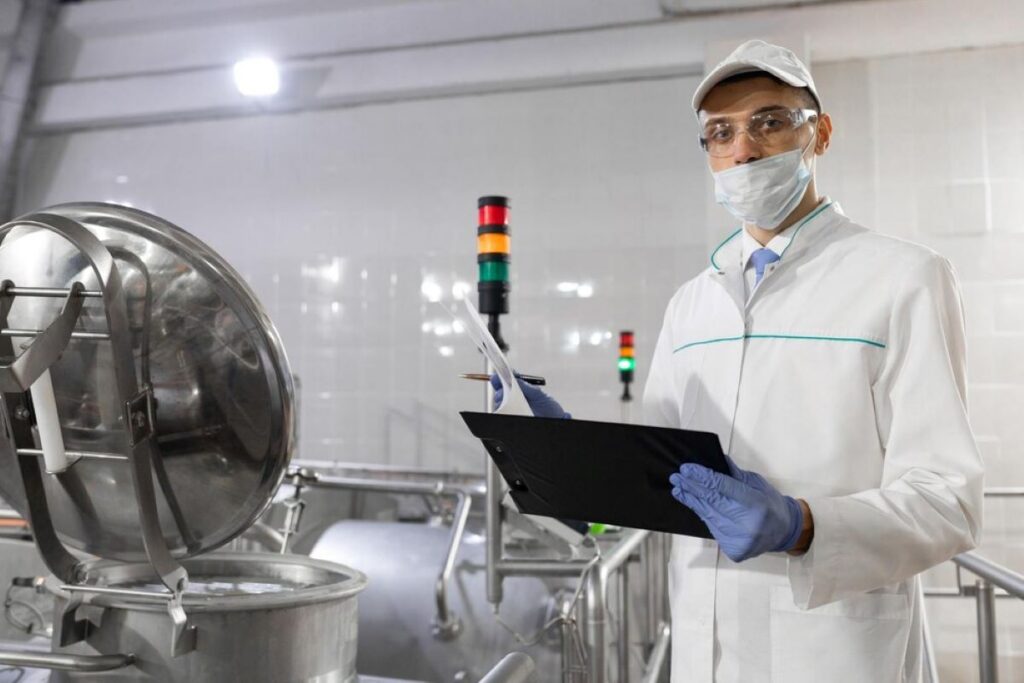
How does wireless temperature monitoring work in a typical Australian site?
They place sensors in the right locations, such as the warmest part of a cool room, near doorways, and in representative product zones. Those sensors transmit readings to a gateway or cloud platform, then store time-stamped records automatically.
Because it is wireless temperature monitoring, they do not need to run data cabling through panels and walls. That makes it practical for suburban cafés in Melbourne, distribution sites in Western Sydney, or regional hospitals in Queensland.
What kinds of temperature events can it catch before stock is lost?
They can catch gradual drift and sudden spikes. Gradual drift might indicate failing refrigeration, poor airflow, or excessive door openings, while sudden spikes often point to a door left open or a power interruption.
Wireless temperature monitoring makes these events visible as they happen, not the next morning when the product is already compromised.
How do alerts protect stock when no one is on-site?
Alerts are the difference between a small incident and a full write-off. When thresholds are breached, the system can notify on-call staff, managers, or a maintenance contractor by SMS, email, or app notification.
With wireless temperature monitoring, they can escalate alerts if nobody acknowledges them. That means a night-fill supervisor in Adelaide can respond quickly, or a technician can be dispatched before stock warms beyond safe limits.
What should they monitor besides cool room air temperature?
Air temperature alone can hide risk, especially in large rooms with uneven airflow. They often need to monitor multiple points and sometimes add product simulators to better match the temperature that stock actually experiences.
They may also track door state, humidity, and power status depending on the site. Wireless temperature monitoring platforms often pull these signals into one dashboard, which reduces guesswork during an incident.
How does it help with HACCP, audits, and compliance in Australia?
It helps because records are automatic, time-stamped, and harder to lose than paper logs. When auditors ask for evidence, they can export reports showing temperatures stayed within set limits, including overnight periods.
For food businesses following HACCP principles, or facilities handling medicines and vaccines, wireless temperature monitoring supports traceability and corrective action documentation. It becomes much easier to prove they managed risk, not just that they intended to.
What does a good overnight response plan look like?
A good plan is simple and rehearsed. It defines who gets alerted, what their first actions are, and when to escalate to maintenance or move stock to a backup unit.
They might include steps like checking door seals, moving high-risk lines to the coldest zone, reducing load, or transferring pallets to another cool room. Wireless temperature monitoring strengthens the plan because it provides clear timestamps, trends, and confirmation that temperatures recovered.
How does it reduce write-offs and insurance headaches?
Insurers and finance teams care about two things: evidence and preventability. If they cannot prove product stayed in range, they often have to discard it, even if it “seems fine”.
Wireless temperature monitoring provides a defensible record. It can show the duration and peak of an excursion, and whether the product returned to range quickly, which supports smarter disposition decisions and fewer blanket write-offs.
How can it prevent “silent failures” like partial breakdowns?
Not all failures are total. Many fridges and freezers keep running while gradually losing capacity, especially when coils are dirty or refrigerant charge is off. Overnight, those issues can push temperatures just high enough to be unsafe by morning.
Because wireless temperature monitoring tracks trends, they can spot patterns like “warming every night between 1 am and 4 am”. That is often the clue that prevents a full breakdown later.
What are common setup mistakes that reduce protection overnight?
The most common mistake is poor sensor placement. If they place a sensor in the coldest spot, it can look perfect while product near the door warms.
Another mistake is alert settings that are too loose, too tight, or not aligned with product risk. Wireless temperature monitoring works best when thresholds, delays, and escalation match real operating conditions, including late-night deliveries and defrost cycles.
How should they choose thresholds for different perishable categories?
They should set limits based on the product and the risk tolerance, then validate the settings during normal operations. Fresh seafood, meat, dairy, prepared meals, and pharmaceuticals can have very different acceptable ranges.
They can also use alert delays to avoid nuisance alarms, while still protecting stock. With wireless temperature monitoring, they can tune settings using actual overnight data instead of guesses.
How does it support multi-site operations across Australia?
Multi-site teams often struggle with inconsistent checks and uneven training. A single dashboard standardises oversight across sites, whether they are in Perth, Brisbane, or Hobart.
With wireless temperature monitoring, head office can see which sites are trending warm overnight, which units are frequently alarming, and where maintenance budgets should go first.

What does “overnight protection” look like in real industries?
In hospitality, it can mean a pub cool room in Sydney that alarms when a back door is not fully latched after closing. In logistics, it can mean a 3PL warehouse in Melbourne catching freezer drift before pallets soften.
In healthcare, it can mean a regional clinic in NSW proving vaccine storage stayed in range through a storm-related outage. Wireless temperature monitoring applies across these environments because the risk is the same: unattended time plus temperature-sensitive stock.
How do they measure ROI without overcomplicating it?
They can measure avoided waste, fewer emergency callouts, reduced labour for manual logs, and faster root-cause analysis. One prevented spoilage event can cover a large portion of annual costs, especially for meat, seafood, and pharma lines.
They can also track maintenance improvements. Wireless temperature monitoring data often shows which assets are unstable, so they can replace the worst performers instead of guessing.
What should they do next to implement it safely?
They should start with the most critical zones, set clear alert pathways, and validate sensor placement during typical overnight conditions. They also need a simple incident playbook so the on-call person knows exactly what to do.
Once the first site is stable, they can expand room by room and site by site. Done properly, wireless temperature monitoring becomes a quiet overnight safeguard that protects stock, strengthens compliance, and reduces costly surprises.
Overnight is the highest-risk window because staffing is leaner, fewer people monitor critical assets, alarms on local displays can be missed, manual temperature checks often get skipped, and response times tend to be slower. This lack of oversight allows slow temperature creep or sudden issues to go unnoticed, increasing the chance of spoilage.
Wireless temperature monitoring tracks fridges, freezers, cool rooms, and transport bays in real time by placing sensors in strategic locations. It sends alerts directly to responsible staff via SMS, email, or app notifications when temperatures drift outside safe ranges. This immediate notification enables quick response before stock is compromised, even when no one is physically on-site overnight.
Gradual temperature drift overnight is often caused by factors like doors not sealing properly, blocked condensers, iced evaporators, or overloaded cool rooms after late deliveries. These subtle problems slowly push temperatures out of safe ranges without immediate detection unless monitored continuously.
Sensors should be placed at the warmest parts of cool rooms, near doorways where air exchange occurs, and within representative product zones to accurately capture conditions affecting stock. Additional monitoring of door state, humidity, and power status can also provide a comprehensive view of environmental risks.
Wireless temperature monitoring automatically records time-stamped temperature data that is harder to lose than paper logs. It provides downloadable reports demonstrating that temperatures stayed within set limits—including overnight periods—supporting traceability and corrective action documentation essential for HACCP compliance and audits in food businesses and healthcare facilities.
An effective plan defines who receives alerts and their initial actions upon notification. It includes steps like checking door seals, relocating high-risk products to colder zones, reducing load on refrigeration units, or transferring stock to backup cool rooms. Wireless monitoring enhances this plan by providing clear timestamps and trends confirming whether temperatures recover after incidents.

Tattoo Studio Sydney: What First-Time Clients Should Know Before Choosing a Creative Space
What should first-time clients expect from a consultation at a tattoo studio Sydney?
A good consultation is where they confirm the idea, placement, size, and budget before anything touches skin. It should feel calm and clear, not rushed or salesy.
They may ask about references, previous tattoos, pain tolerance, and how the design needs to sit with the body’s shape. A quality tattoo studio Sydney will also explain the process, likely timing, and any factors that could affect healing, such as work schedules or sun exposure.
How can they check hygiene and licensing standards at a tattoo studio Sydney?
They should look for a clean, organised space and artists who treat hygiene as non-negotiable. If anything seems casual about safety, it is a reason to leave.
A reputable tattoo studio Sydney will use single-use needles, sealed ink caps, disposable gloves, and hospital-grade surface cleaning. They should also be able to explain sterilisation practices and show that equipment is either disposable or properly sterilised. First-time clients can ask direct questions and expect straightforward answers. “
How do they choose the right artist style instead of just the nearest tattoo studio Sydney?
They should pick the artist first and the location second. Tattooing is a personal craft, and different artists specialise in different looks.
A strong tattoo studio Sydney usually showcases portfolios by artist, not just a general feed. First-time clients should look for healed work, consistent line quality, clean shading, and examples similar to what they want. If they want fine-line florals, they should not rely on an artist whose portfolio is mostly heavy traditional pieces.
What questions should they ask before booking with a tattoo studio Sydney?
They should ask questions that protect them from surprises. Clear answers are often a sign the studio runs professionally.
Useful questions include: Who will design it, and when will they see the draft? How are deposits handled? What is included in the quote? What aftercare is recommended? A careful tattoo studio Sydney will also ask them questions, including allergies, skin conditions, or any medical considerations that might affect healing.
How should they interpret pricing at a tattoo studio Sydney without getting caught out?
They should treat pricing as a mix of time, skill, and complexity, not a simple menu. Cheap tattoos can become expensive fixes.
A professional tattoo studio Sydney may charge by the hour or by the piece, and the quote often reflects design time, placement difficulty, and level of detail. First-time clients should be wary of extremely low prices, unclear estimates, or pressure to book quickly. Transparent pricing usually comes with a transparent process.
What should they know about placement, pain, and practicality at a tattoo studio Sydney?
They should think beyond the design and consider daily life. Placement affects pain, ageing, visibility, and healing.
A thoughtful tattoo studio Sydney will advise on areas that distort, fade faster, or heal poorly due to friction. First-time clients should consider work requirements, sport, uniforms, and sun exposure. Pain varies by person, but bony areas and high-movement zones often feel sharper and can swell more during healing.
How can they avoid design regret when working with a tattoo studio Sydney?
They should aim for clarity, not impulse. Most regret comes from rushing or copying without meaning.
A skilled tattoo studio Sydney will refine the idea so it fits the body and lasts well over time. First-time clients should bring references but avoid demanding an exact copy of someone else’s tattoo. They should also give themselves time to sit with the concept, especially for names, trends, or highly visible placements.
What aftercare support should they expect from a tattoo studio Sydney?
They should expect a clear aftercare plan and the ability to ask follow-up questions. Healing is part of the service, not an afterthought.
A responsible tattoo studio Sydney will provide written aftercare guidance, explain what normal healing looks like, and advise what to avoid, such as swimming, heavy sweating, and direct sun. First-time clients should also confirm whether touch-ups are offered and under what conditions, since small fixes can be normal depending on placement and skin type.

How do they assess the vibe and professionalism of a tattoo studio Sydney?
They should notice how they are treated from the first message. Respect, patience, and clear communication matter as much as the art.
A reliable tattoo studio Sydney will handle enquiries politely, explain wait times, and give realistic expectations. The studio should feel welcoming, not intimidating, and they should never be mocked for being nervous or asking basic questions. If the environment feels chaotic or dismissive, first-time clients are usually better off continuing their search.
What is the simplest checklist before choosing a tattoo studio Sydney?
They should keep it simple: safety, style match, transparency, and support. If one of those is missing, it is not the right fit.
Before booking with a tattoo studio Sydney, they should confirm: the artist’s portfolio matches the desired style, hygiene practices are clearly professional, pricing and deposits are explained in writing, and aftercare guidance is provided. When those basics are solid, first-time clients can focus on the exciting part: choosing a creative space that helps them leave with artwork they are proud to wear.
Related : Best Tattoo Sydney: What Art Lovers Should Look for in Linework, Style, and Technique

Best Tattoo Sydney: What Art Lovers Should Look for in Linework, Style, and Technique
This guide breaks down what to look for, what to ask, and what to avoid when hunting for the best tattoo Sydney experience.
What does “good linework” actually look like?
Good linework looks confident, consistent, and intentional in weight and flow. In the best tattoo Sydney studios, lines are smooth, evenly saturated, and placed with control, not “sketched” into the skin.
They should check for: no wobble, no blowouts (ink spreading under skin), clean starts and stops, and a line weight that matches the design’s scale. Fine lines should still be readable, not faint or patchy.
How can they tell if an artist really matches their style?
They should pick an artist whose portfolio repeatedly shows the exact style they want, not just one or two lucky pieces. Experienced studios such as https://www.kaleidoscopetattoo.com.au/ often showcase consistent work across a wide range of tattoo styles and placements. The best tattoo Sydney artists specialise, and their work looks consistent across different clients, skin tones, and placements.
They should look for full projects, not only fresh close-ups. A style match means the artist’s composition, shading language, and colour choices already fit the client’s taste without heavy “can you copy this?” direction. “
What should they look for in healed tattoo photos?
Healed photos prove technique. Any best tattoo Sydney contender should show healed work because crisp lines and smooth gradients are harder to maintain after the skin regenerates.
They should check whether blacks stay rich, greys stay smooth, and fine details remain readable. In colour work, they should look for even saturation and minimal patchiness. If the portfolio is only fresh tattoos under perfect lighting, they should be cautious.
How do they judge blackwork, greywash, and contrast?
They should look for deliberate contrast that supports the design, not random darkness. In best tattoo Sydney blackwork, large fills should be solid and even, with no “peppering” unless it is intentional texture.
For greywash, they should check for smooth transitions rather than banding. Strong tattoos often have a clear value structure: the focal point pops, backgrounds sit back, and the piece still reads well in low light.
What makes realism, illustrative, and traditional work technically strong?
Strong realism shows controlled edges, believable lighting, and texture that does not rely on over-detailing. The best tattoo Sydney realism artists keep skin in mind, using contrast and simplified shapes so portraits do not blur over time.
Illustrative work should have clear hierarchy and graphic clarity. Traditional work should show bold lines, stable colour packing, and classic, readable shapes. In every case, they should ask whether the design will age well at the chosen size.
How important is stencil placement and composition?
It is critical. The best tattoo Sydney artists place stencils to suit anatomy, movement, and viewing angles, not just to “fit” the area.
They should watch for how the design wraps, where key elements sit when the body moves, and whether lines follow natural contours. A great tattoo often looks effortless because the placement was solved before the needle touched skin.
What should they ask in a consultation to confirm skill?
They should ask practical questions that reveal process. In a best tattoo Sydney consultation, a solid artist can explain design choices without defensiveness.
Useful questions include: What needle groupings will they use for lines and shading? How will they adjust the design for the chosen placement? What size do they recommend for longevity? How many sessions might it take? What aftercare do they require and why?
How can they spot hygiene and studio professionalism quickly?
They should see strict hygiene as non-negotiable. The best tattoo Sydney studios are clean, organised, and transparent: single-use needles, barrier protection on touchpoints, fresh gloves, and a proper sterilisation workflow.
They should notice whether surfaces are wrapped, inks are handled carefully, and the artist avoids cross-contamination. Professionalism also shows in clear booking policies, consent forms, and calm communication.
What are the biggest red flags art lovers should avoid?
They should avoid artists who pressure them, dismiss questions, or promise impossible detail at tiny sizes. A best tattoo Sydney artist is honest about limitations and ageing, even if it means suggesting a simpler design.
Other red flags include: no healed work, inconsistent portfolios, stolen images, unusually cheap quotes without explanation, and studios that feel rushed or chaotic. If they feel unsure, they should wait.

How do they balance trend tattoos with long-term ageing?
They should treat trends as inspiration, not a blueprint. The best tattoo Sydney artists can translate trendy ideas into designs that hold up, often by increasing size, improving contrast, or simplifying fragile detail.
Fine-line micro details, ultra-light grey shading, and tiny text can fade or blur faster. A good artist will suggest adjustments so the tattoo still looks intentional after years of sun, skin change, and normal wear. Check out more about skin penetration.
What should they expect to pay for quality in Sydney?
They should expect to pay for time, experience, and safety, not just ink. The best tattoo Sydney work is priced to reflect consultation, custom design, premium materials, and careful execution.
Rather than chasing the lowest quote, they should compare: portfolio strength, healed results, clarity of communication, and whether the artist designs specifically for skin. A tattoo is permanent; saving money rarely saves regret.
How can they choose the best tattoo Sydney option with confidence?
They should shortlist artists by style, then verify technique through healed photos, clean linework, and consistent portfolios. To find the best tattoo Sydney match, they should book a consultation, ask direct process questions, and choose the artist who explains decisions clearly.
If the studio is hygienic, the artist specialises in the desired style, and the work heals well, they are likely in safe hands. The final test is simple: the tattoo should look like art today and still read like art years from now.
More to Read : Tattoo Studio Sydney: What First-Time Clients Should Know Before Choosing a Creative Space

Are Cupcakes Delivered Sydney Better Than Picking Up In Store?
The better option depends on what they value more: control and immediacy, or ease and certainty.
Are delivered cupcakes more convenient for busy schedules?
Yes, delivery is usually more convenient for those searching for cupcakes Sydney because it removes travel, parking, and queue time. It suits people juggling work, school runs, events, or limited mobility.
It also helps when they need cupcakes delivered to a different address, such as an office, venue, hospital, or a friend’s home.
Do delivered cupcakes arrive as fresh as store pickup?
Often yes, but it depends on the bakery’s production and dispatch routine. Many Sydney bakeries bake early, pack carefully, and send orders out quickly, so delivered cupcakes can still be same-day fresh.
Store pickup can feel fresher because they can collect closer to serving time. If freshness is the top priority, they should ask the bakery when cupcakes are baked and how they are stored before dispatch.
Is delivery safer for cupcake presentation and packaging?
It can be because good delivery services use structured boxes, inserts, and seals designed for transport. That reduces the risk of smudged icing, sliding toppings, or crushed liners compared with carrying a box on public transport.
That said, delivery introduces a new risk: bumps, heat, and handling by third parties. If presentation is critical, they should choose a bakery that uses sturdy cupcake carriers and offers delivery windows that avoid long time-in-van delays.
Does store pickup give them more control over what they get?
Yes, pickup gives immediate control because they can visually check the cupcakes before leaving. If a decoration looks different from expected, it is easier to resolve on the spot.
Pickup also makes it simpler to add extras like candles, toppers, spare napkins, or a quick additional box if they decide to increase the quantity.
Are delivered cupcakes better for gifting in Sydney?
Usually yes, because delivery turns cupcakes into a ready-to-go gift with minimal effort from the sender. Many bakeries include message cards, themed packaging, and add-ons like balloons or macarons.
Delivery also helps when they cannot be there in person. It creates a small “moment” at the door, which can feel more thoughtful than asking someone to collect their own gift.

Can delivery be more reliable for events and workplaces?
It can be more reliable if the bakery offers timed delivery windows and clear tracking updates. For offices and venues, delivery reduces the chance of someone forgetting to pick up or arriving late due to traffic.
However, pickup is sometimes more predictable if the event location is close to the bakery. If timing is tight, they should compare the bakery’s delivery slots against their event run sheet and choose the option with the fewest moving parts.
Is delivery more expensive than picking up?
Yes, delivery usually costs more once they include the delivery fee and any peak period surcharges. Some bakeries also set minimum order values for delivery, which can make small orders less cost-effective.
Pickup avoids delivery fees, and it can reduce packaging upgrades too. For budget-focused orders, pickup often wins unless delivery is bundled or discounted.
Do delivered cupcakes offer the same customisation as in-store ordering?
Most bakeries offer the same customisation for delivery because the cupcakes are made to order either way. Customers can usually choose flavours, colours, dietary options, and message plaques online.
In-store ordering can help when they want very specific design tweaks. A short conversation at the counter can clarify expectations faster than online notes, especially for corporate branding or themed parties. Read more about Australian dietary guidelines.
Are there risks with delivery in Sydney’s weather and traffic?
Yes, heat and traffic can affect buttercream stability and delivery timing. On hot days, cupcakes may soften, colours can run, and toppings can shift if the vehicle is not well cooled.
Pickup reduces time in transit, but it does not eliminate heat risk if they leave the box in a warm car. For summer deliveries, they should prefer early morning slots and ask about chilled transport and handling.
Which option is better for last-minute cupcake needs?
Pickup is usually better for last-minute needs because they can grab what is available immediately. Many bakeries have ready-made ranges that suit spontaneous celebrations.
Delivery can still work for last-minute orders if the bakery offers same-day delivery and has capacity. They should confirm cut-off times and be realistic about popular dates like weekends and public holidays.

How should they decide between delivery and pickup?
They should choose delivery when they need convenience, gifting, or sending cupcakes to another suburb with minimal effort. They should choose pickup when they want full control, the fastest turnaround, or the lowest cost.
A simple rule helps: if timing and presentation are mission critical, they should confirm the bakery’s baking schedule, packaging, and delivery window first. If those details sound solid, cupcakes delivered in Sydney can be just as good as picking up, and sometimes better.
Related : What Is the Best Cake for Christening Events in Sydney?
FAQs (Frequently Asked Questions)
Are cupcakes delivered in Sydney as fresh as those picked up in store?
Delivered cupcakes can be just as fresh as store pickup depending on the bakery’s baking and dispatch routine. Many Sydney bakeries bake early, pack carefully, and send orders out quickly to ensure same-day freshness. However, picking up in store allows collection closer to serving time, which can feel fresher. For the freshest cupcakes, it’s best to ask the bakery about their baking schedule and storage before delivery.
Is delivery more convenient than picking up cupcakes in Sydney?
Yes, delivery is generally more convenient as it eliminates travel, parking, and queue time. It’s ideal for busy schedules involving work, school runs, or limited mobility. Delivery also suits sending cupcakes to different addresses like offices, venues, hospitals, or friends’ homes, making gifting effortless.
Does store pickup offer better control over cupcake selection in Sydney?
Absolutely. Store pickup allows customers to visually inspect cupcakes before leaving, ensuring decorations meet expectations and enabling immediate resolution of any issues. It also makes adding extras like candles or additional boxes simpler compared to delivery.
Are delivered cupcakes better for gifting purposes in Sydney?
Usually yes. Delivery transforms cupcakes into a ready-to-go gift with minimal effort from the sender. Many bakeries include message cards, themed packaging, and add-ons such as balloons or macarons. Delivery also creates a special moment at the recipient’s door, which can feel more thoughtful than asking them to collect their own gift.
Can delivery be more reliable than pickup for events and workplaces in Sydney?
Delivery can be more reliable if the bakery offers timed delivery windows and tracking updates. It reduces risks of late arrivals or forgotten pickups due to traffic or busy schedules. However, if the event location is close to the bakery and timing is tight, pickup might be more predictable.
Is delivery more expensive than picking up cupcakes in Sydney?
Yes, delivery usually incurs additional costs such as delivery fees and possible peak period surcharges. Some bakeries require minimum order values for delivery which may not be cost-effective for small orders. Picking up avoids these fees and can reduce packaging costs, making it preferable for budget-conscious customers unless delivery discounts apply.

10 Best Corporate Gift Hampers to Impress Clients in 2026
Selecting the right professional gesture is a strategic move that extends beyond simple generosity. In the competitive Australian business landscape, the 10 best corporate gift hampers to impress clients and employees serve as tangible touchpoints for brand values and relationship management.
Whether you are rewarding a high-performing team in Sydney or thanking a long-term partner in Perth, a well-curated hamper bridges the gap between digital communication and physical appreciation. This guide explores the most effective gifting strategies to ensure your investment drives long-term loyalty and professional growth.
See more: Top-Rated Corporate Gifts Melbourne Businesses Are Ordering in 2025
The Strategic Importance of Corporate Gifting in Australia
Corporate gifting is no longer a seasonal checkbox; it is a vital component of a comprehensive “Customer Success” and “Employee Experience” strategy. By utilizing high-quality hampers, businesses can humanize their brand in an increasingly automated world.
Defining the Modern Corporate Hamper
A modern corporate hamper is a curated collection of premium goods—ranging from artisanal foods and boutique wines to eco-friendly lifestyle products—presented in professional packaging. Unlike generic promotional items, these hampers prioritize the recipient’s experience over the sender’s logo.
Why Quality Hampers Matter for Indexing and Brand Authority
From an SEO and brand perspective, “topical authority” in gifting comes from understanding the nuances of the Australian market. This includes recognizing the shift toward sustainability, supporting local Victorian or Queensland producers, and ensuring fast, reliable logistics.
10 Best Corporate Gift Hampers to Impress Clients and Employees
To help you navigate the vast options available, we have categorized the top selections based on recipient needs and professional milestones.
1. The Premium Artisan Wine & Cheese Selection
Ideal for high-value clients, this hamper typically features award-winning Shiraz from the Barossa Valley paired with artisanal crackers, quince paste, and luxury nuts.
- Best for: Closing major deals or annual executive thanks.
- Key Feature: High-end presentation in a wooden keepsake crate.
2. The “Wellness at Home” Self-Care Box
With the rise of hybrid work, wellness hampers containing essential oil diffusers, organic teas, and luxury robes show employees that their mental health is a priority.
- Best for: Employee appreciation and work-from-home milestones.
- Key Feature: Focus on relaxation and physical well-being.
3. The Gourmet Australian Native Flavors Basket
This unique option highlights indigenous ingredients like lemon myrtle, macadamias, and bush honey. It serves as a great conversation starter for international partners.
- Best for: International stakeholders and unique brand positioning.
- Key Feature: Supports local biodiversity and cultural storytelling.
4. The Tech-Savvy Executive Toolkit
A modern twist on the hamper, combining functional tech like sleek power banks or Bluetooth speakers with premium coffee beans and a reusable smart cup.
- Best for: Project managers and IT consultants.
- Key Feature: High utility and daily brand visibility.
5. The Eco-Conscious Sustainability Hamper
Featuring zero-waste products, recycled materials, and plastic-free packaging, this choice aligns with the Corporate Social Responsibility (CSR) goals of modern firms.
- Best for: B-Corp certified companies and environmentally-conscious teams.
- Key Feature: Carbon-neutral delivery options.
6. The “Coffee Snob” Morning Starter
Australia has a world-class coffee culture. A hamper featuring small-batch roasts from Melbourne or Sydney, a French press, and chocolate-coated coffee beans is always a hit.
- Best for: New employee onboarding.
- Key Feature: Practicality and high daily usage.
7. The Luxury Celebration Champagne Box
Nothing says “congratulations” like a bottle of Moët or a premium Australian sparkling wine like Arras, accompanied by gold-dusted truffles.
- Best for: Promotions, work anniversaries, or company-wide wins.
- Key Feature: High perceived value and celebratory tone.
8. The Family-Friendly “Movie Night” Bundle
A creative way to include the recipient’s family. These include gourmet popcorn, high-end chocolates, and perhaps a voucher for a streaming service or cinema.
- Best for: Holiday season gifting for long-term staff.
- Key Feature: Emotional Connection beyond the office.
9. The Savoury Grazing Board Kit
Includes high-quality wooden serving boards, olives, dukkah, and premium olive oils. It encourages the recipient to take a break and enjoy a social experience.
- Best for: Real estate settlement gifts or legal partnerships.
- Key Feature: Long-lasting utility (the board remains in the kitchen for years).
10. The Non-Alcoholic “Sophisticated Sober” Hamper
As workplace cultures evolve, providing a premium alcohol-free alternative—featuring craft sodas, kombucha, and savory snacks—is inclusive and thoughtful.
- Best for: Diverse teams and inclusive corporate cultures.
- Key Feature: Respects dietary and lifestyle choices.

Comparative Analysis: Selecting the Right Gift
| Hamper Type | Primary Audience | Key Benefit | Price Point |
| Artisan Wine | High-Value Clients | Prestige & Tradition | High |
| Wellness Box | Employees | Morale & Retention | Mid |
| Eco-Friendly | All Stakeholders | CSR Alignment | Mid-High |
| Tech Toolkit | B2B Partners | Daily Utility | Mid |
How to Choose the Perfect Corporate Gift: A 4-Step Framework
To maximize the “Return on Gifting” (ROG), follow this logical progression:
- Identify the Objective: Are you trying to renew a contract, apologize for a service delay, or celebrate a holiday?
- Analyze the Recipient Profile: Consider dietary restrictions (vegan, gluten-free), cultural nuances, and lifestyle preferences.
- Set a Realistic Budget: Factor in the cost of the hamper, personalized branding, and shipping across Australia.
- Personalize the Delivery: A generic hamper is a gift; a hamper with a handwritten note is a relationship-builder.
Benefits of Premium Gifting for Business Growth
- Improved Client Retention: A physical gift triggers the “reciprocity principle,” making clients more likely to renew.
- Enhanced Employee Advocacy: Staff who feel valued are more likely to speak positively about the company, aiding recruitment.
- Brand Differentiation: In a sea of emails, a physical hamper stands out as a premium experience.
Common Mistakes to Avoid in Corporate Gifting
- Over-Branding: Placing a giant logo on every item makes the gift feel like an advertisement rather than a gesture.
- Ignoring Local Regulations: Ensure gifts comply with the recipient’s internal corporate bribery and gift policies.
- Poor Timing: Sending a “Christmas” hamper on December 24th is often too late. Aim for early December or “New Year” themes.
Internal Linking Suggestions (Anchor Text Only)
- Corporate Gifting Strategy 2026
- Best Sustainable Business Practices Australia
- Employee Retention Techniques for Australian Firms
- Luxury Client Management Tips
Authoritative External References
- Australian Retailers Association (ARA) – Consumer Trends Report
- Harvard Business Review – The Psychology of Gifting in Business
FAQ Section
What is the best time to send corporate gift hampers?
While December is traditional, sending hampers for “End of Financial Year” (EOFY), project completions, or work anniversaries often has a higher impact because there is less “gift noise” from competitors.
How much should I spend on a corporate gift for a client?
For standard appreciation, $100–$150 is the “sweet spot” in Australia. For high-value executive clients, budgets often range from $250 to $500.
Can I include my company logo on the hamper?
Yes, but subtlety is key. Custom ribbons, branded gift cards, or a subtle logo on the outer box are preferred over heavy branding on the actual products inside.
Are corporate gifts tax-deductible in Australia?
In many cases, gifts to clients are tax-deductible as a business expense, provided they are not considered “entertainment.” However, you should consult with a tax professional regarding FBT (Fringe Benefits Tax) for employee gifts.
How do I handle dietary requirements for large teams?
The safest approach is to select “Dietary-Friendly” hampers that are naturally gluten-free or vegan, or provide a choice of three different hamper styles for employees to pick from.
Conclusion
Investing in the 10 best corporate gift hampers to impress clients and employees is a proven method for strengthening professional bonds and fostering a culture of appreciation. By prioritizing quality, sustainability, and personalization, your business can turn a simple delivery into a lasting competitive advantage.

What Is the Best Cake for Christening Events in Sydney?
The “best” option is rarely the most elaborate. It is the cake that looks right on the table, cuts cleanly for the crowd, and tastes great even after an hour at the function.
What type of christening cake works best for Sydney venues?
A buttercream-finished cake for christening is usually the safest all-round choice for Sydney celebrations. It holds up well across common venues such as church halls, private dining rooms, and outdoor family gatherings.
Fondant cakes can look very polished, but they are less forgiving in warmer conditions and can be heavier to eat. For many families, buttercream gives the best balance of design flexibility, comfort, and reliability.
Should they choose a single-tier or a two-tier cake?
A single-tier cake is often best for smaller gatherings or where the dessert table is limited. It is easier to transport, simpler to cut, and typically more budget-friendly.
A two-tier cake suits larger guest counts and creates a stronger centrepiece moment, especially for photos. If they want the look of height without extra servings, some bakers can add a “dummy” tier to keep costs and leftovers under control.”
Which flavours are most popular for christenings in Sydney?
Vanilla bean, chocolate, and classic lemon are the most common picks because they please mixed age groups. Many families also choose red velvet or carrot cake when they want something familiar but slightly richer.
If they expect guests with varied preferences, a two-tier cake with different flavours per tier is a practical solution. It keeps the cake interesting without taking risks on niche flavour combinations.
How should they match the cake design to the christening theme?
The best christening cakes usually stay soft and symbolic rather than loud or trendy. Popular design cues include white and pastel palettes, simple florals, gold accents, and small religious motifs like a cross, bible, or dove.
A name plaque and the christening date are common finishing touches because they feel personal without adding clutter. If the family wants something modern, textured buttercream, minimal line art, or subtle watercolour effects photograph beautifully.

What size cake do they need for their guest count?
They should choose cake size based on how the cake will be served, not just how many people attend. Dessert-style slices are larger, while event portions are smaller and go further.
As a rough guide, a standard event slice is about 1 inch by 2 inches. Families can ask the baker how many servings each size yields, and whether the venue expects the cake to be the main dessert or one of several options.
What works best: cake only, or cake plus cupcakes?
A cake plus cupcakes setup is often the easiest for busy christening events. The cake stays as the centrepiece, while cupcakes reduce cutting time and make serving faster.
This option also helps with dietary needs because gluten-free or dairy-free cupcakes can be provided separately. If they want minimal fuss, this is one of the most practical ways to keep the dessert table neat and the queue moving.
How do Sydney’s weather and transport affect cake choice?
Sydney heat and humidity can change what is “best”, especially for spring and summer events. Buttercream can soften, and fondant can sweat, particularly in outdoor locations or warm function rooms.
For daytime events, they should prioritise stable fillings and avoid highly delicate decorations. They can also ask the baker about delivery, refrigeration needs, and how long the cake can sit out while still looking clean.
Other Resources : Refrigeration and air conditioning
What dietary options should they consider for guests?
They do not need to make the entire cake allergen-friendly unless the immediate family requires it. A common approach is to keep the main cake classic, then add a small batch of dietary cupcakes or a separate mini cake.
The most requested options are nut-free, egg-free, gluten-free, and dairy-free. They should confirm cross-contamination practices with the bakery if allergies are serious.
How far in advance should they order a christening cake in Sydney?
They should ideally order 2–4 weeks ahead for a standard custom cake, and longer for peak seasons or very detailed designs. Many Sydney bakers book out early around spring weekends and public holiday periods.
If they are short on time, they can ask for a semi-custom design from a set menu. These often look beautiful, cost less, and can be turned around faster than fully bespoke work.

How can they keep the cake budget sensible without compromising quality?
They can save money by keeping shapes simple, limiting intricate sugar flowers, and choosing buttercream over heavy fondant detailing. Fresh flowers can also be cost-effective, provided they are food-safe and properly prepared.
The best value usually comes from spending on flavour and finish quality, not complex toppers. A clean design with sharp edges and a good palette can look premium without extra structural work. Click here to learn are cupcakes delivered Sydney better than picking up in store?
What is the best cake choice if they want a timeless look?
A white or ivory buttercream cake with subtle texture, light florals, and personalised writing is the most timeless christening option in Sydney. It suits both traditional and modern families and works across almost any venue.
If they want a single “safe” pick, they can choose vanilla bean with a berry filling. It is widely loved, photographs well, and feels celebratory without being too heavy.
FAQs (Frequently Asked Questions)
What type of christening cake is best suited for Sydney venues?
A buttercream-finished cake is usually the safest all-round choice for Sydney christenings. It holds up well across common venues such as church halls, private dining rooms, and outdoor family gatherings. Fondant cakes can look polished but may not fare well in warmer conditions and can be heavier to eat, making buttercream the preferred balance of design flexibility, comfort, and reliability.
Should I choose a single-tier or two-tier cake for a christening event?
A single-tier cake works best for smaller gatherings or limited dessert tables as it is easier to transport and cut, and generally more budget-friendly. A two-tier cake suits larger guest counts and creates a striking centrepiece, especially for photos. To manage costs and leftovers while maintaining height, some bakers offer a ‘dummy’ tier that looks real but isn’t edible.
Which flavours are most popular for christening cakes in Sydney?
Vanilla bean, chocolate, and classic lemon are the most common flavours as they appeal to mixed age groups. Families seeking something richer often opt for red velvet or carrot cake. For varied guest preferences, a two-tier cake with different flavours per tier is a practical way to keep the cake interesting without risking niche tastes.
How should the cake design complement the christening theme?
Christening cakes typically feature soft, symbolic designs rather than loud or trendy styles. Popular elements include white and pastel colours, simple florals, gold accents, and small religious motifs like crosses, bibles, or doves. Personal touches such as a name plaque and christening date add meaning without clutter. Modern options like textured buttercream, minimal line art, or subtle watercolour effects also photograph beautifully.
What size cake do I need based on my guest count?
Choose your cake size based on how it will be served rather than just the number of guests. Dessert-style slices are larger; event portions are smaller and stretch further. As a guide, a standard event slice measures about 1 inch by 2 inches. Consult your baker regarding servings per size and whether the cake will be the main dessert or part of several options.
Is it better to have only a cake or combine it with cupcakes at a christening?
Combining a cake with cupcakes is often ideal for busy christening events. The main cake serves as the centrepiece while cupcakes reduce cutting time and speed up serving. This approach also accommodates dietary needs more easily by offering gluten-free or dairy-free cupcakes separately. It’s a practical way to keep the dessert table tidy and queues moving efficiently.