

Top Uses for Badges for Blazers in Clubs, Schools, and Corporate Apparel
What Are Badges for Blazers and Why Are They Used in Clubs, Schools, and Corporate Apparel?
Badges for blazers are decorative emblems sewn or pinned onto blazer jackets to represent membership, achievement, or affiliation with specific organizations. These symbolic markers transform ordinary blazers into meaningful uniforms that communicate identity at a glance.
The importance of blazer badges spans three primary sectors:
- Clubs: From rowing associations to scouting groups, badges create visual unity among members while celebrating individual accomplishments.
- Schools: Schools rely on these emblems to distinguish year levels, house systems, prefect positions, and sporting achievements, turning student blazers into personalized records of academic journeys.
- Corporate apparel: Corporate apparel uses badges to reinforce brand identity, display company logos, and establish professional cohesion during events or daily operations.
The top uses for badges for blazers in clubs, schools, and workplaces extend beyond simple decoration. They serve as:
- Visual identifiers of group membership
- Recognition tools for achievements and leadership
- Symbols of institutional tradition
- Professional branding elements
- Status indicators within organizational hierarchies
This article explores each of these essential functions, demonstrating how such small emblems carry significant weight in building community, honoring excellence, and maintaining professional standards across diverse settings. Whether adorning a student’s school uniform or an executive’s corporate jacket, badges for blazers remain powerful tools for communication and connection.
How Do Badges on Blazers Signify Identity and Affiliation?
Badges transform blazers into visual declarations of membership, instantly communicating which organization, institution, or team the wearer represents. These membership badges eliminate ambiguity about group identification—a student wearing a school crest immediately signals their educational affiliation, while an employee sporting a corporate emblem demonstrates company allegiance.
The visual language of identity badges operates across diverse contexts:
- Scouting organizations use distinct badges to identify different troops, regions, and achievement levels, creating immediate recognition among members worldwide
- Corporate teams display company logos or division-specific insignias that reinforce organizational structure and team unity
- Sports clubs feature emblems that distinguish members from supporters, establishing clear boundaries of active participation
- Professional associations incorporate badges that validate membership status and credentials
This system of group identification creates powerful psychological effects. When individuals wear badges representing their affiliation, they experience heightened connection to the collective identity. The physical presence of an emblem on a blazer serves as a constant reminder of shared values, goals, and community standards.
Scouting groups exemplify this perfectly—their badges don’t merely decorate uniforms but actively build camaraderie among members who recognize each other’s achievements and shared commitment. Corporate environments mirror this dynamic, where branded badges cultivate team cohesion and organizational pride that extends beyond individual roles.
How Are Badges Used to Recognize Achievement and Leadership on Blazers?
Recognition badges turn blazers into visual records of personal achievement and organizational contribution. Schools give out achievement awards through embroidered or metal badges that signify academic excellence, perfect attendance, or completion of specific programs—each badge representing a story of hard work and success.
Identifying Leadership Roles
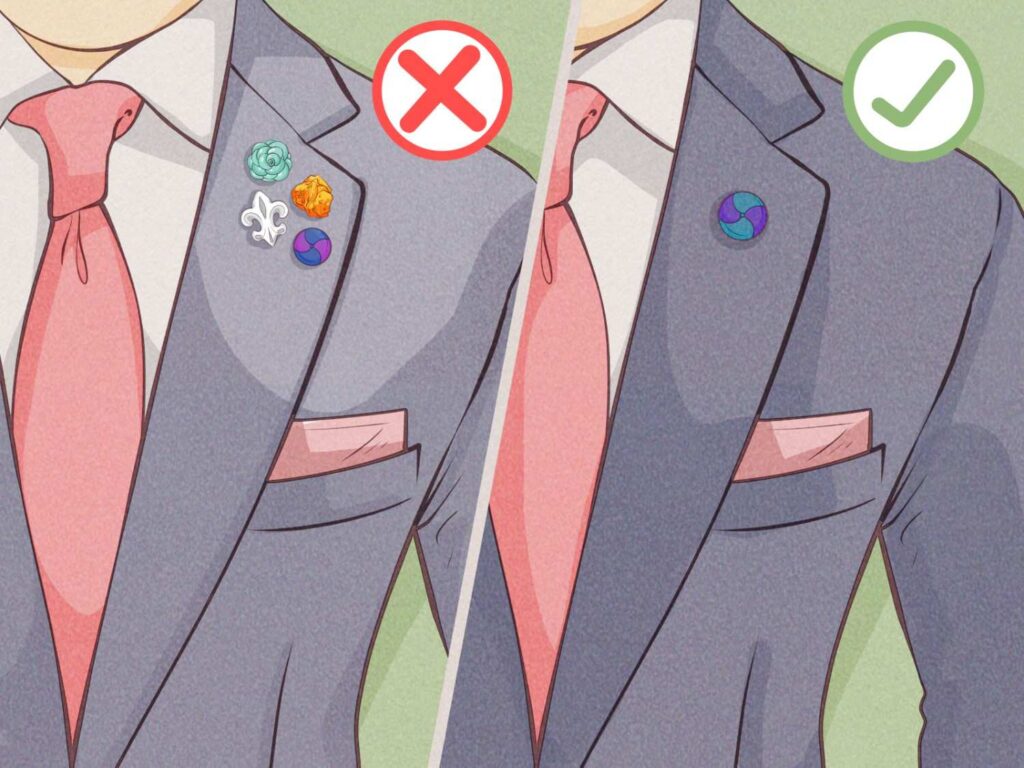
Leadership roles can be easily identified by the strategic placement of badges on blazers. School prefects, house captains, and club presidents wear distinctive badges on their breast pockets or lapels, making it easy for peers and staff to recognize authority figures at first glance. Scout organizations are a great example of this system, where patrol leaders have unique insignia that sets them apart from troop members.
The importance of recognition in leadership extends beyond schools. In law enforcement, for instance, recognition matters significantly as it helps in building pride and boosting retention among officers.
Recognizing Sports Participation
Sports participation also has its own category of blazer badges. Athletes who compete on behalf of their school or club receive colored badges that represent their sport—rugby players might wear crossed rugby posts, while swimmers display wave patterns. Special badges are awarded for representative honors, such as selection to county or national teams, which are prominently displayed on the blazer.
Understanding the Hierarchy of Badges
The hierarchical nature of badge systems creates clear visual distinctions:
- Bronze, silver, and gold tiers indicate progressive skill levels
- Year-specific badges track advancement through educational stages
- Committee position markers identify treasurers, secretaries, and chairpersons
- Merit badges celebrate extracurricular involvement beyond core activities
This badge hierarchy motivates members to strive for excellence while publicly recognizing those who demonstrate commitment to their organization’s values.
Why Are Badges on Blazers Important for Tradition and Uniformity?
Badges on blazers play a crucial role in preserving institutional heritage and promoting uniformity within organizations. Here’s why they hold significance:
1. Connecting to History
Badges serve as a link between current members and the rich history of their organization. They embody values, standards, and customs that have been passed down through generations. Schools with long-standing traditions often display badges featuring founding dates, Latin mottos, or heraldic designs, creating a connection between today’s students and alumni networks spanning multiple generations.
2. Establishing Identity
The visual consistency created by standardized blazer badges fosters immediate recognition and cohesion among group members. Organizations such as rowing clubs, scout troops, and military academies rely on this uniformity to convey discipline and collective identity. When members wear identical badges on their formal attire, they present a united front that reinforces organizational values and makes a powerful visual statement at competitions, ceremonies, or public events.
3. Practical Benefits
Standardized blazer badges offer practical advantages as well. Parents purchasing school blazers know exactly which badge specifications to follow, ensuring consistency across different garments. Corporate teams attending industry conferences can create a coordinated appearance that strengthens brand perception through matching badges. Scout groups maintain uniformity across regional chapters by implementing standardized badge placement and design guidelines.
4. Signaling Professionalism
The combination of blazers and badges conveys an air of formality that enhances the perceived seriousness and respectability of organizations. This dress code signifies professionalism and commitment, setting members apart from casual observers while honoring established protocols and ceremonial practices within the institution.
In summary, badges on blazers are more than just decorative elements—they carry deep meaning and serve practical purposes in preserving tradition, fostering unity, and projecting professionalism within various organizations.
See Also : How Custom Blazer Patches Elevate Professional and School Uniforms
How Badges Improve Branding and Professionalism in Corporate Blazer Apparel
Badges turn corporate blazers into effective branding tools by showcasing company logos, emblems, or event-specific insignias directly on the garment. This visual representation allows for instant recognition and establishes a cohesive professional image across teams, whether employees are attending client meetings, trade shows, or internal corporate events.
Enhancing Professionalism with Badges
Corporate Apparel featuring embroidered or woven badges enhances the perceived professionalism of staff members. The permanent nature of these badges—as opposed to temporary name tags or lanyards—demonstrates organizational commitment and attention to detail. Financial institutions, hospitality groups, and aviation companies often use blazer badges to convey authority and reliability.
Reinforcing Brand Identity through Placement
The strategic positioning of corporate logos on blazer pockets or breast areas reinforces brand identity with every interaction. When multiple team members wear matching badged blazers, they create a unified visual presence that strengthens brand recall among clients and partners. This consistency proves particularly valuable during:
- Corporate conferences and industry exhibitions
- Client-facing roles in retail banking or luxury services
- Executive leadership teams representing the company publicly
- Multi-location businesses maintaining standardized appearance
Fostering Internal Culture with Badges
Branding through blazer badges goes beyond how others perceive the company. It also benefits the internal corporate culture when employees wear badges that represent shared values and pride in the organization. The tangible symbol of company identity on everyday work attire fosters a deeper connection between individual employees and the overall corporate mission.
Furthermore, these badges can play a crucial role in global branding efforts. By ensuring that the same badge design is used across different regions, companies can maintain a consistent brand image worldwide while also respecting local cultures and preferences.
Other Resources : Government Branding policy (position) | AGA
How Badges Establish Distinction and Status Within Organizations When Worn on Blazers
Badges create clear visual hierarchies that instantly communicate a wearer’s rank, seniority, or role within an organization. Different badge designs, colors, or placements on blazers serve as status symbols that help members and outsiders quickly identify who holds authority or specialized responsibilities.
Corporate Environments
In corporate environments, executive badges often feature gold embroidery or premium materials that distinguish senior leadership from entry-level employees.
Military-Style Organizations
Military-style organizations use specific badge configurations to denote rank progression, with each level earning additional emblems or stars on their blazer lapels.
Schools
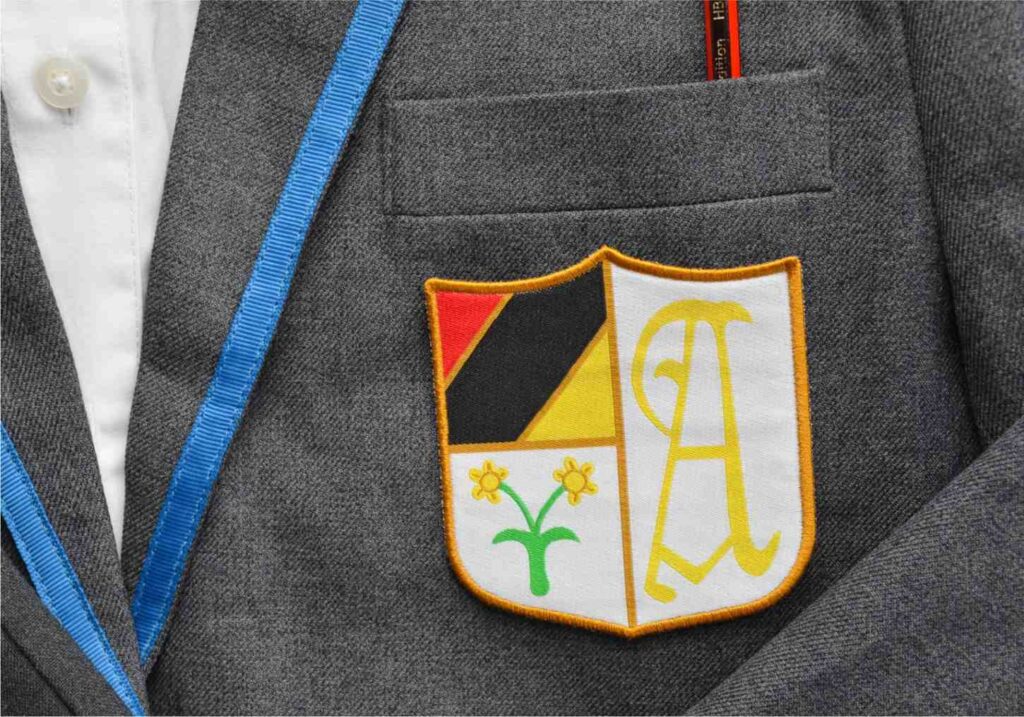
Schools implement similar systems where prefects, house captains, or student council members wear distinctive badges that set them apart from general students. A head prefect might display a larger, more ornate badge compared to junior prefects, creating a visible chain of command.
Clubs
Club hierarchies become immediately apparent through badge systems:
- Committee members wear unique insignia separate from regular members
- Long-serving members receive special commemorative badges
- Department heads display role-specific emblems indicating their area of responsibility
Sports Clubs
Sports clubs use colored badges to differentiate between coaching staff, team captains, and players. This distinction eliminates confusion during events and reinforces organizational structure. The badge hierarchy also motivates members to advance through ranks, as each new badge represents earned recognition and increased standing within the community.
How Does the Versatility of Blazer Badges Benefit Wearers Across Different Settings?
Blazer badges offer remarkable versatility by allowing wearers to adapt their appearance while maintaining organizational representation. The badge remains constant whether paired with formal wear like dress shirts and ties or styled casually with polos and chinos.
This adaptability makes blazers with badges practical for various occasions:
- School settings: Students can wear their badged blazers to formal assemblies with full uniform or to weekend sports events with casual attire
- Corporate environments: Employees transition seamlessly from board meetings to company social events without changing jackets
- Club activities: Members maintain their identity whether attending ceremonial functions or informal gatherings
The permanent attachment of badges to blazers eliminates the need for multiple garments. A single blazer serves multiple dress codes, making it a cost-effective wardrobe staple. This flexibility particularly benefits organizations where members attend both structured events and relaxed activities throughout the year.
The practical advantage of this is highlighted in Top Uses for Badges for Blazers in Clubs, Schools, and Corporate Apparel. The badge acts as a unifying element that transcends dress code variations, ensuring organizational identity remains visible regardless of styling choices. This dual functionality—formal and casual—makes badged blazers an enduring choice for institutions valuing both tradition and practicality.